





Owning a tractor gives you the power to maintain more land, but the tractor itself is only part of the equation. The attachments you choose determine whether you can clear brush, maintain a gravel driveway, move materials, mow overgrown areas, prepare soil, or manage seasonal projects efficiently.
For most property owners, the best tractor attachments are a grapple, land plane, pallet forks, brush cutter, and box blade. Together, these implements cover many of the most common property-maintenance jobs, from clearing storm debris and repairing driveways to moving supplies and reclaiming overgrown land.
The best combination for your property will depend on your acreage, terrain, tractor size, loader configuration, and the type of work you complete most often.
Quick Guide: The Best Tractor Attachments for Property Owners
| Tractor Attachment | Best Used For | Mounting Location |
|---|---|---|
| Grapple | Brush, logs, rocks, storm debris, and roots | Front-end loader |
| Land Plane | Gravel driveway maintenance and finish grading | 3-point hitch |
| Pallet Forks | Pallets, lumber, logs, fencing supplies, and materials | Front-end loader |
| Brush Cutter | Tall grass, weeds, brush, and small saplings | 3-point hitch |
| Box Blade | Moving material, leveling, backfilling, and heavier grading | 3-point hitch |
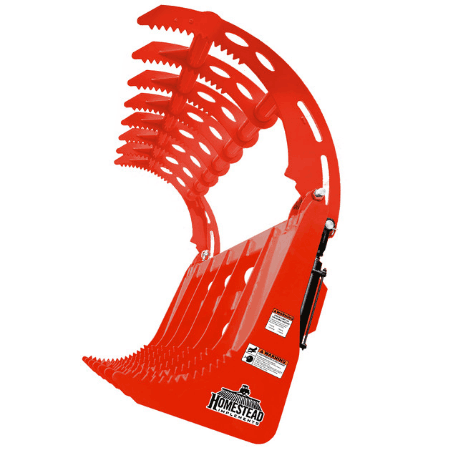
1. Grapple
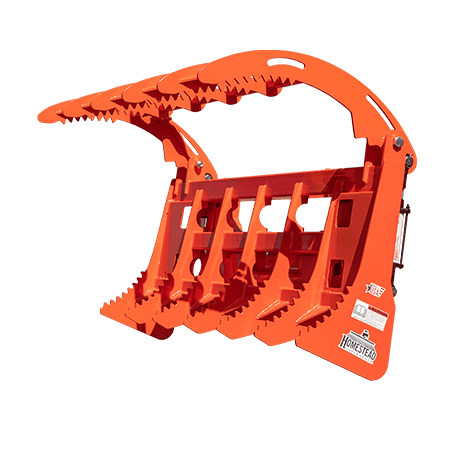
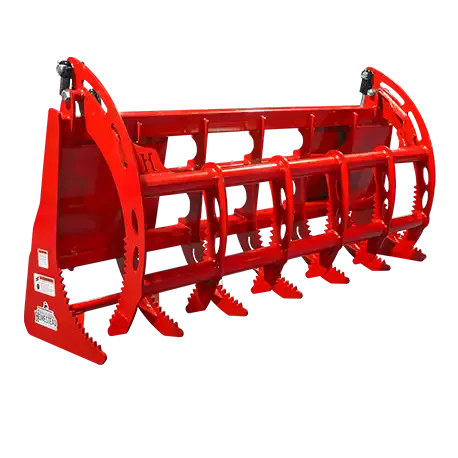
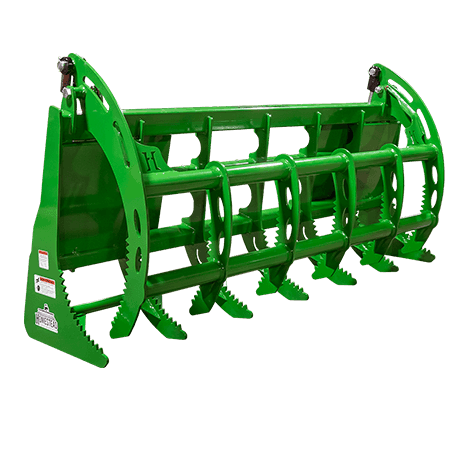
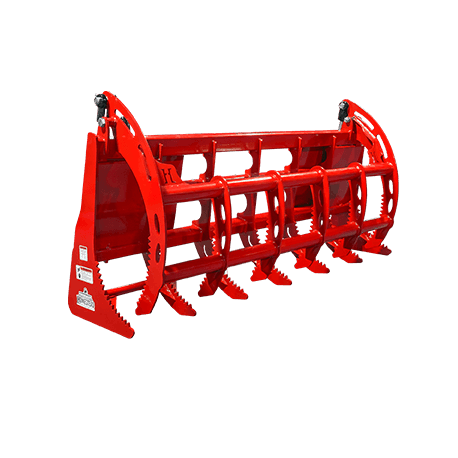
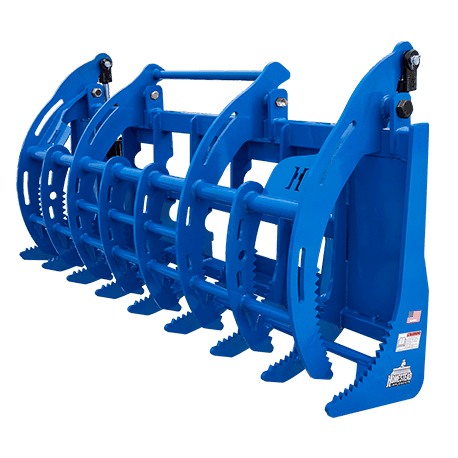
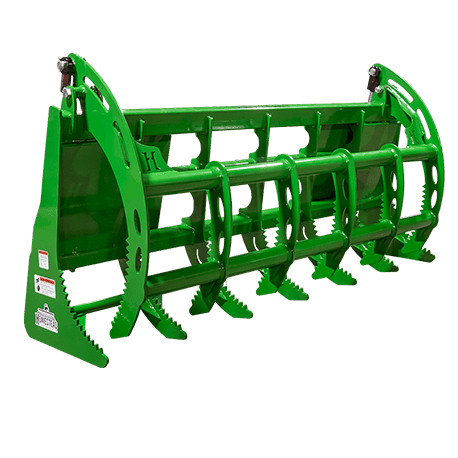
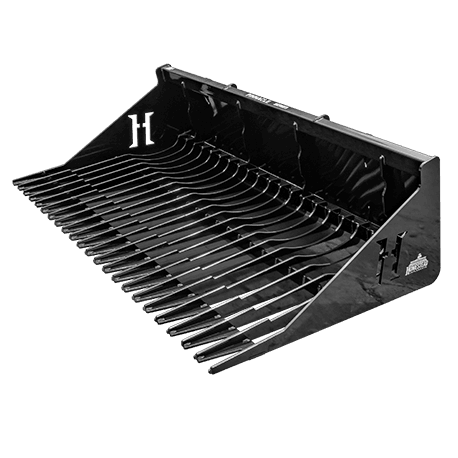
A root grapple is one of the most versatile front-end attachments for property cleanup. It allows the operator to grab, lift, carry, and position materials that are difficult to handle with a standard bucket.
A grapple is especially useful for:
- Picking up fallen branches
- Clearing brush piles
- Moving logs
- Handling storm debris
- Removing roots and vegetation
- Carrying rocks and irregular materials
- Cleaning up fence lines
- Reclaiming overgrown areas
Unlike a bucket, a grapple uses one or more hydraulic lids to clamp material securely. This makes it easier to hold uneven loads while traveling across the property.
What Type of Grapple Should a Property Owner Choose?
The right grapple depends on the work being completed and the capabilities of the tractor.
A lighter grapple may be a better fit for a subcompact or compact tractor because it leaves more of the loader’s lifting capacity available for the material being carried. A heavier-duty grapple may be appropriate for larger tractors and more demanding cleanup work.
Important considerations include:
- Tractor horsepower
- Loader lift capacity
- Grapple weight
- Grapple width
- Single-lid versus dual-lid design
- Skid steer quick attach or John Deere® quick attach compatibility
- Hydraulic third-function availability
A dual-lid grapple can be helpful when lifting uneven material because each lid can adjust to a different part of the load. A single-lid grapple provides a straightforward design that can handle many common cleanup projects.
Because grapples require hydraulic control, confirm that the tractor has a compatible third-function hydraulic kit before purchasing.
2. Land Plane
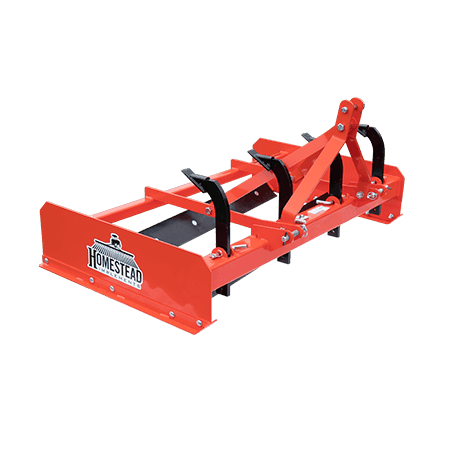
A land plane is one of the best tractor implements for maintaining a gravel driveway, private road, parking area, equipment pad, or other aggregate surface.
The implement uses cutting edges positioned between two side rails. As the land plane moves across the ground, high areas are cut down and loose material is distributed into low areas.
A land plane is commonly used to correct:
- Minor potholes
- Washboarding
- Shallow ruts
- Uneven gravel
- Loose surface material
- Low spots
- Minor drainage-related surface damage
Why Is a Land Plane Useful for Property Owners?
Land planes are designed to produce a smooth, consistent finish without requiring constant adjustment by the operator. Once the implement is properly positioned, the side rails help it move across the surface while the cutting edges redistribute material.
This makes a land plane particularly valuable for routine driveway maintenance.
A box blade can also be used on a driveway, but it generally requires more operator input. A land plane is usually the better choice when the primary goal is smoothing and maintaining an established gravel surface.
Scarifiers can also help loosen compacted material before the cutting edges redistribute it.
What Size Land Plane Do You Need?
The land plane should generally cover or slightly extend beyond the tractor’s rear tire width. This prevents the tires from leaving unfinished tracks along the edges of each pass.
You should also consider:
- Tractor horsepower
- 3-point hitch category
- Implement weight
- Driveway width
- Surface condition
- Severity of existing potholes and ruts
Larger is not always better. A land plane that is too wide or heavy may be difficult for a smaller tractor to pull effectively.
3. Pallet Forks
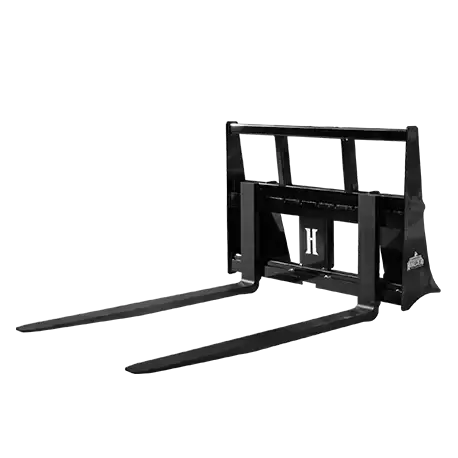
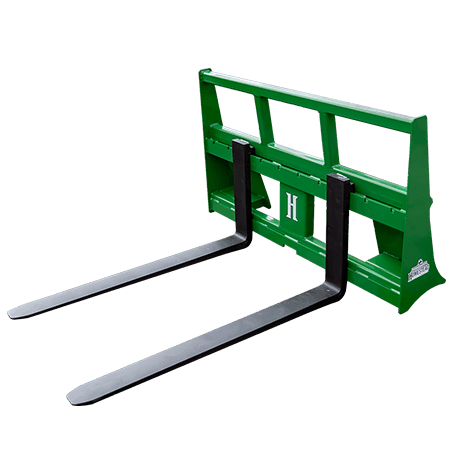
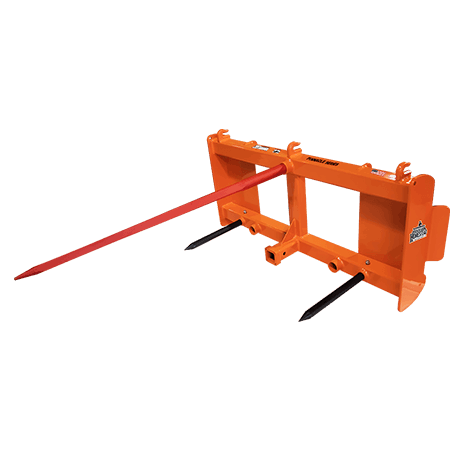
Pallet forks are often associated with farms, warehouses, and construction sites, but they can be equally useful for homeowners and acreage owners.
They turn a tractor’s front-end loader into a material-handling tool capable of lifting and transporting loads that would be difficult to move by hand.
Pallet forks can be used to move:
- Palletized seed, feed, or firewood
- Landscape blocks
- Lumber
- Fence posts
- Bagged materials
- Logs
- Equipment
- Building supplies
- Brush piles
- Bulk deliveries
Pallet forks can also help unload materials from a trailer or reposition supplies around a workshop, barn, or project area.
What Should You Consider When Choosing Pallet Forks?
Always match the pallet fork frame and tine capacity to the tractor’s loader capabilities. The rated capacity of the fork attachment does not increase what the tractor can safely lift.
Load position is also important. The farther the weight extends in front of the loader, the less effectively the tractor can lift it. Keeping loads centered and close to the fork frame improves stability.
Before operating pallet forks, consider:
- Loader lift capacity
- Attachment weight
- Tine length
- Load dimensions
- Quick-attach compatibility
- Rear ballast
- Ground conditions
Rear ballast may be necessary to help maintain tractor stability when lifting heavy materials.
4. Brush Cutter
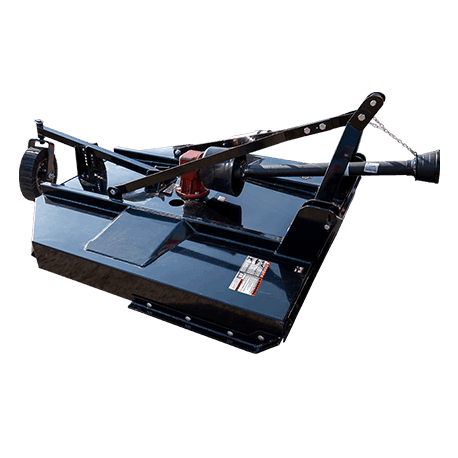
A brush cutter allows property owners to manage areas that have become too thick or overgrown for a traditional lawn mower.
Mounted to the tractor’s 3-point hitch and powered by the rear PTO, a brush cutter can handle tall grass, heavy weeds, brush, and small saplings within the implement’s rated cutting capacity.
Common applications include:
- Mowing fields
- Maintaining trails
- Clearing around fence lines
- Managing hunting property
- Cutting utility paths
- Reclaiming overgrown acreage
- Maintaining pond banks
- Controlling seasonal vegetation
- Opening access to wooded areas
Brush Cutter Versus Finish Mower
A brush cutter and a finish mower serve different purposes.
A finish mower is designed to leave a cleaner, lawn-like appearance on regularly maintained grass. A brush cutter is built for rougher conditions and heavier vegetation.
Choose a brush cutter when the area contains:
- Thick weeds
- Tall grass
- Woody brush
- Uneven terrain
- Vegetation that is cut only occasionally
Choose a finish mower when appearance and a consistent lawn-style cut are the main priorities.
Choosing the Right Brush Cutter
The cutter must be compatible with the tractor’s PTO horsepower, 3-point hitch, lifting capacity, and overall width.
A cutter that is too large may be difficult for the tractor to power or control. A cutter that is too small may require additional passes and leave tire tracks outside the cut area.
Property owners should also review the manufacturer’s stated cutting capacity. Not every brush cutter is designed for the same size vegetation.
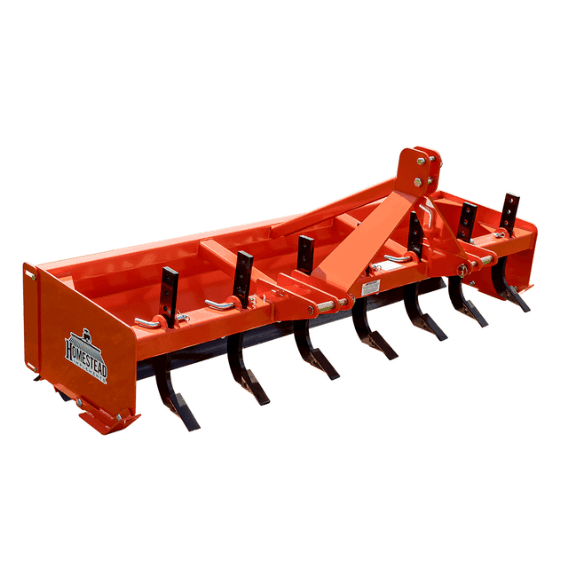
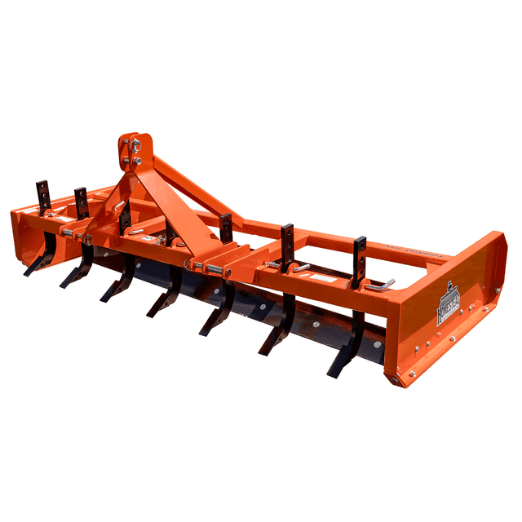
5. Box Blade
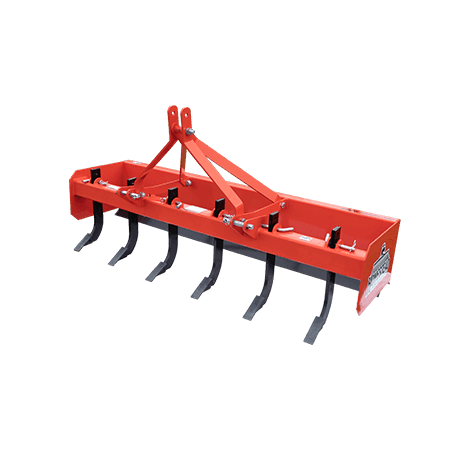
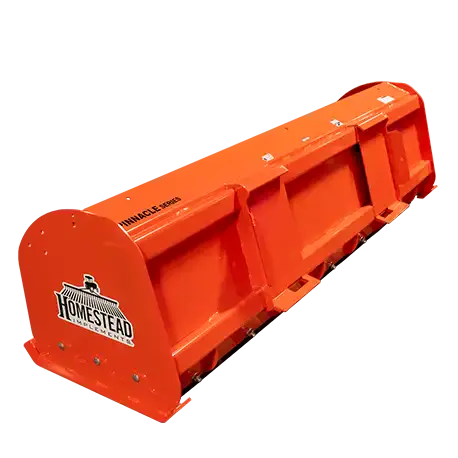
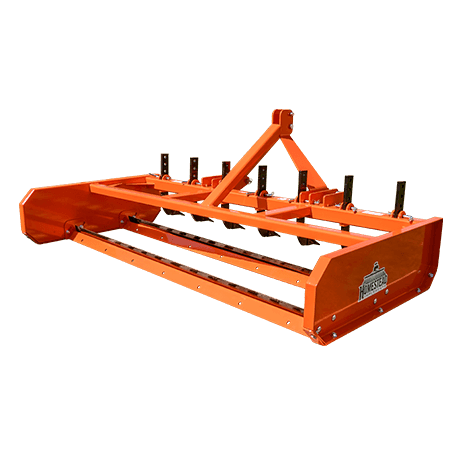
A box blade is a versatile 3-point tractor attachment used for grading, leveling, spreading, backfilling, and moving soil or gravel.
The box-shaped design captures material between the front and rear cutting edges, allowing the operator to carry and redistribute it across the work area.
A box blade can be used for:
- Rough grading
- Leveling building sites
- Moving gravel
- Spreading topsoil
- Backfilling trenches
- Repairing washed-out areas
- Creating equipment pads
- Filling deeper ruts
- Reshaping driveways
- Preparing areas for landscaping
Most box blades also include scarifier shanks. These teeth can be lowered to break through hard soil, compacted gravel, or heavily packed surfaces before the cutting edges grade the material.
Box Blade Versus Land Plane
A land plane is generally better for routine smoothing and finish maintenance. A box blade is usually better for heavier material movement and more aggressive grading.
Choose a land plane when you need to:
- Smooth an established gravel driveway
- Correct light washboarding
- Redistribute loose gravel
- Perform routine surface maintenance
- Produce a consistent finish
Choose a box blade when you need to:
- Move a larger amount of material
- Cut into compacted ground
- Fill deeper depressions
- Backfill an area
- Complete rough grading
- Reshape a surface
Many property owners can benefit from owning both because the two implements perform different stages of grading work.
How to Choose the Best Tractor Attachments for Your Property
The most popular tractor attachment is not automatically the best attachment for your needs. Start by identifying the projects you complete repeatedly.
Evaluate Your Most Common Jobs
Consider whether most of your tractor work involves:
- Brush and storm cleanup
- Gravel driveway maintenance
- Material handling
- Field mowing
- Ground preparation
- Snow removal
- Landscaping
- Fence installation
- Soil cultivation
- Hay handling
Attachments that solve recurring problems will generally provide more value than implements purchased for one isolated project.
Match the Attachment to Your Tractor
Before selecting an implement, confirm compatibility with:
- Tractor horsepower
- PTO horsepower
- Loader lift capacity
- 3-point hitch category
- Hydraulic flow
- Tractor width
- Front quick-attach system
- Available hydraulic connections
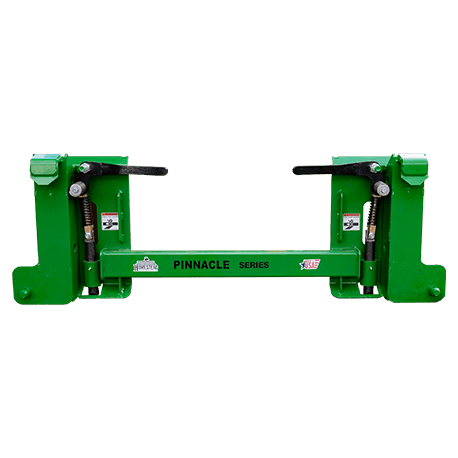
Front-end attachments commonly use a skid steer quick attach or a manufacturer-specific quick-attach system. Rear implements typically connect through a Category 1 or Category 2 3-point hitch.
Do not select an attachment based on tractor horsepower alone. Attachment weight, loader capacity, hydraulic requirements, and tractor dimensions can be equally important.
Consider Attachment Weight
A heavier attachment is not always the better attachment.
When using a front-end loader, the attachment’s weight reduces the capacity available for the load. A heavy grapple or fork frame may leave a smaller compact tractor with limited usable lifting capacity.
For 3-point implements, additional weight can improve ground engagement, but the tractor must still be able to lift, transport, and control the implement safely.
Choose Attachments That Can Handle Several Jobs
The most valuable tractor implements often serve more than one purpose.
- A grapple can move brush, logs, rocks, and debris.
- Pallet forks can handle pallets, lumber, fencing supplies, and logs.
- A box blade can grade, spread, backfill, and level.
- A land plane can maintain driveways, lanes, and gravel work areas.
- A brush cutter can maintain fields, trails, fence lines, and overgrown acreage.
Versatile implements help property owners complete more work without purchasing a highly specialized attachment for every project.
Other Useful Tractor Attachments for Property Owners
The five implements above cover many common jobs, but other attachments may be more important depending on the property.
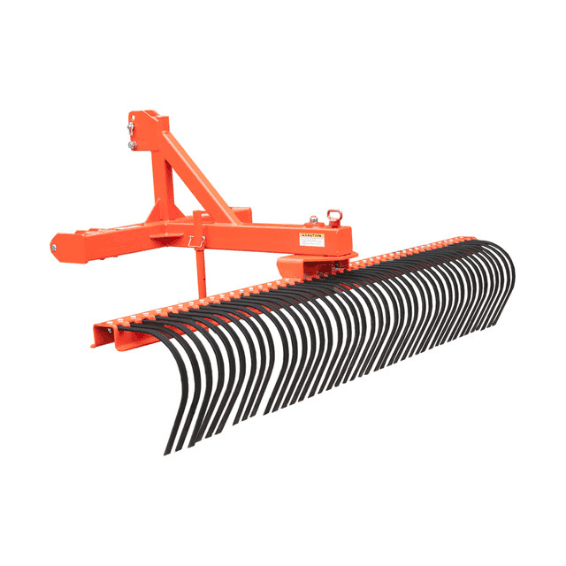
Landscape Rake
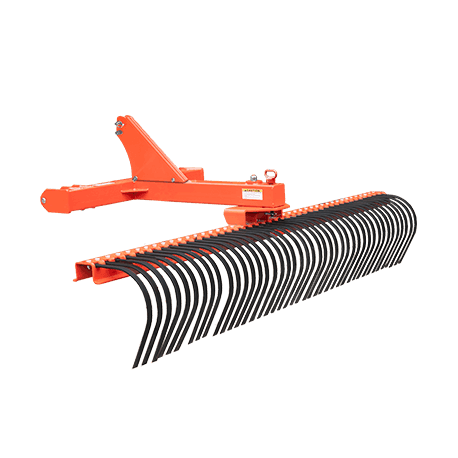
A landscape rake can collect debris, spread loose material, prepare soil, and clean up an area after grading.
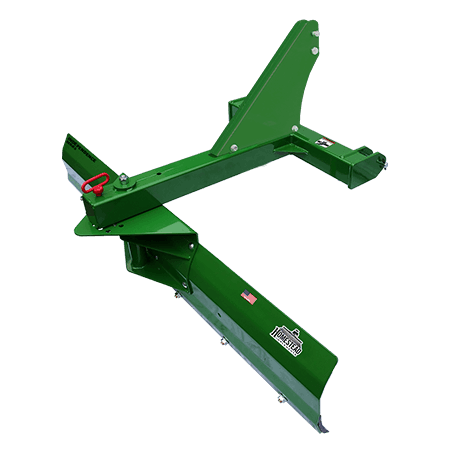
Back Blade
A back blade can grade, ditch, crown driveways, move snow, and shape loose material. An adjustable blade provides greater control over angle, tilt, and offset.
Rotary Tiller
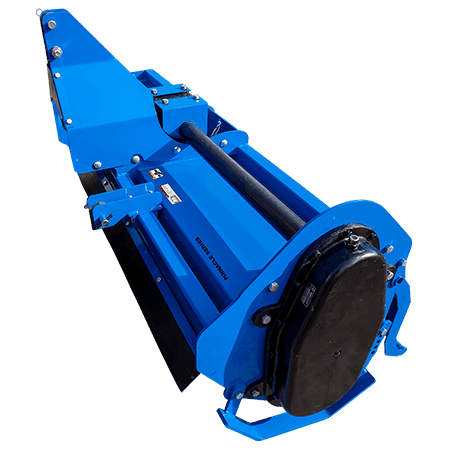
A rotary tiller prepares soil for gardens, food plots, landscaping, and planting areas by breaking up and mixing the ground.
Disc Harrow
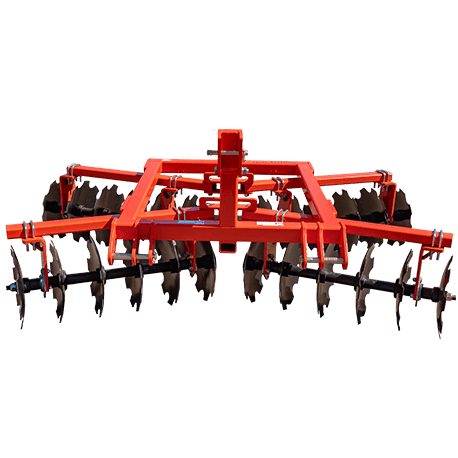
A disc harrow cuts and works soil for garden preparation, food plots, seedbeds, and larger planting areas.
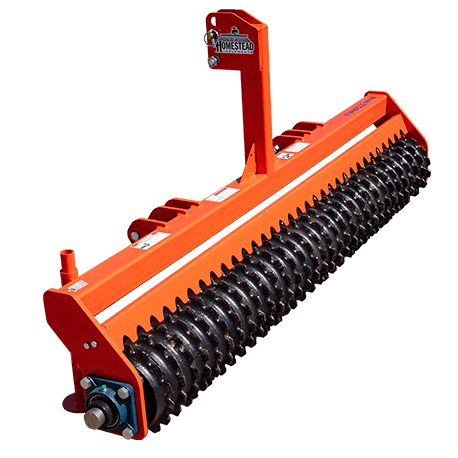
Cultipacker
A cultipacker firms the seedbed, breaks up clods, and improves seed-to-soil contact after planting.
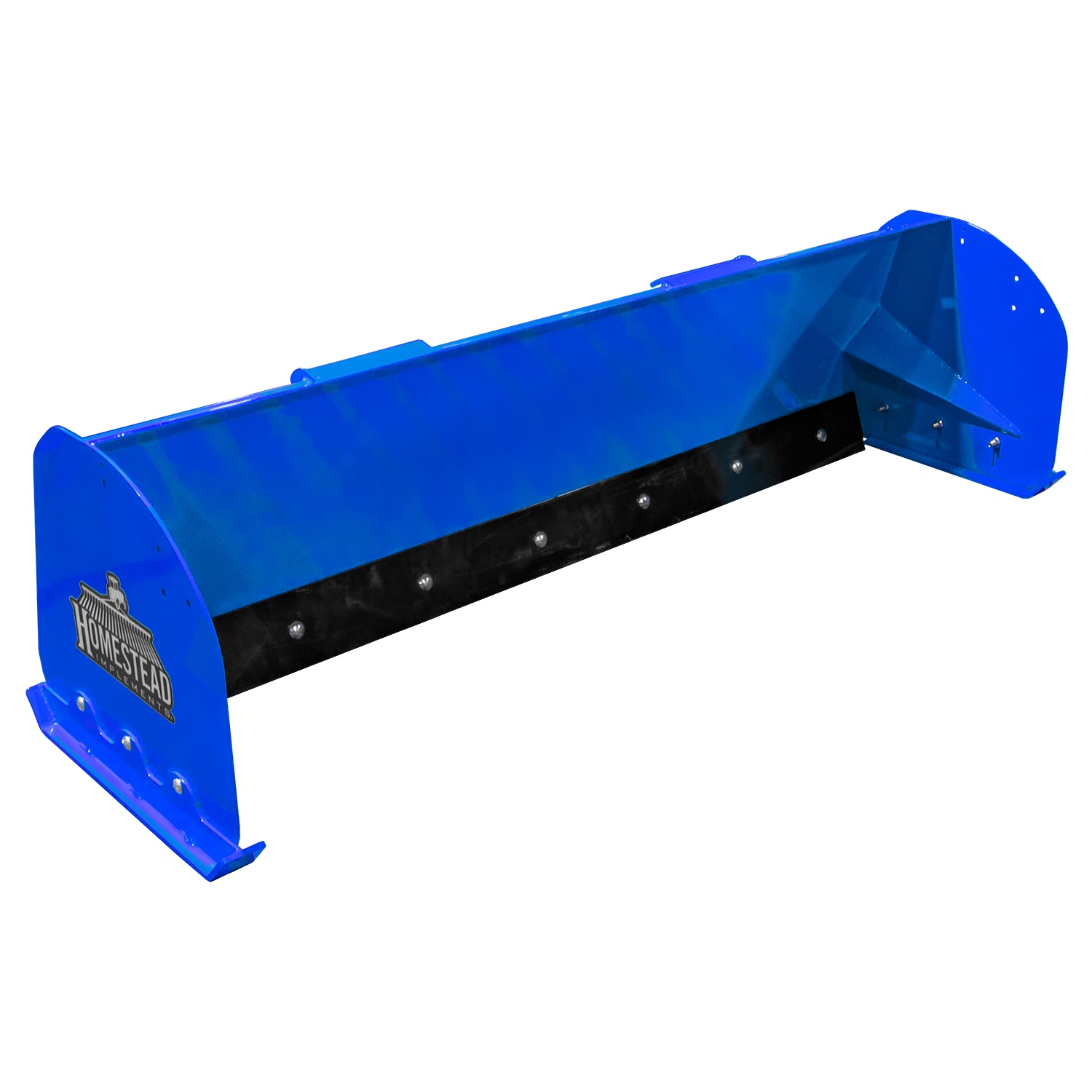
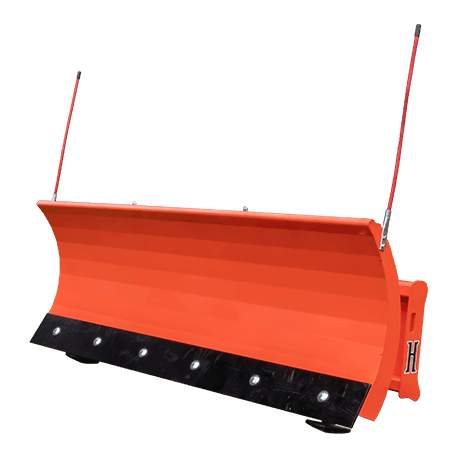
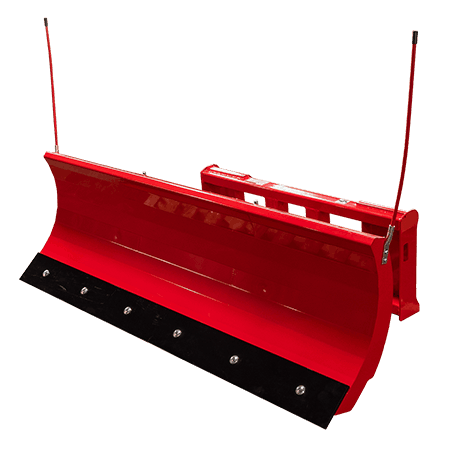
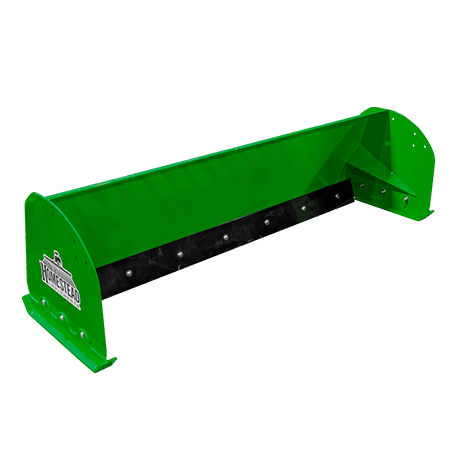
Snow Pusher or Snow Plow
Property owners with long driveways, private roads, barns, or commercial areas may benefit from a front-mounted snow pusher or snow plow.
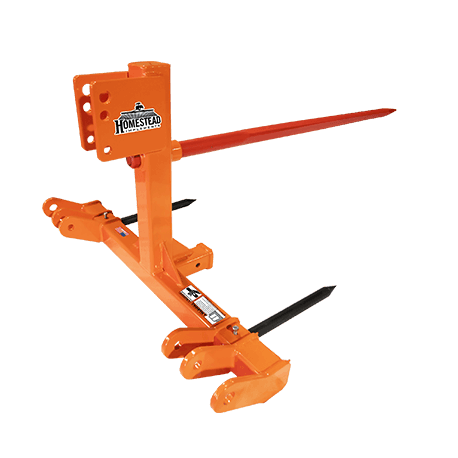
Bale Spear
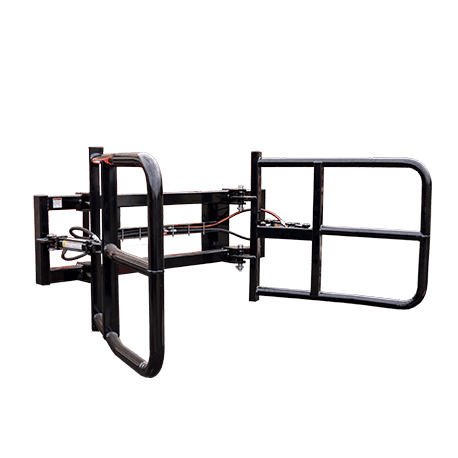
A bale spear is essential for properties that regularly move round or square hay bales.
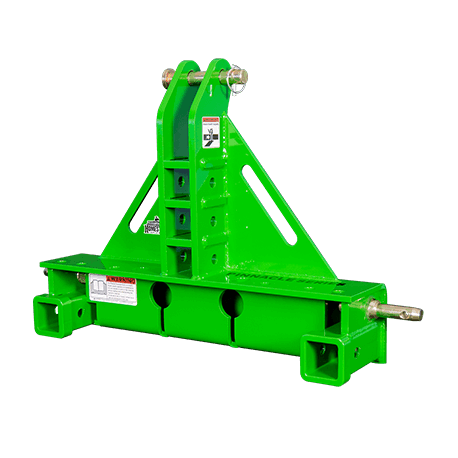
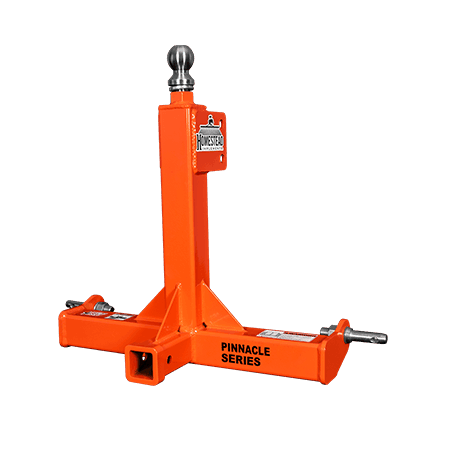
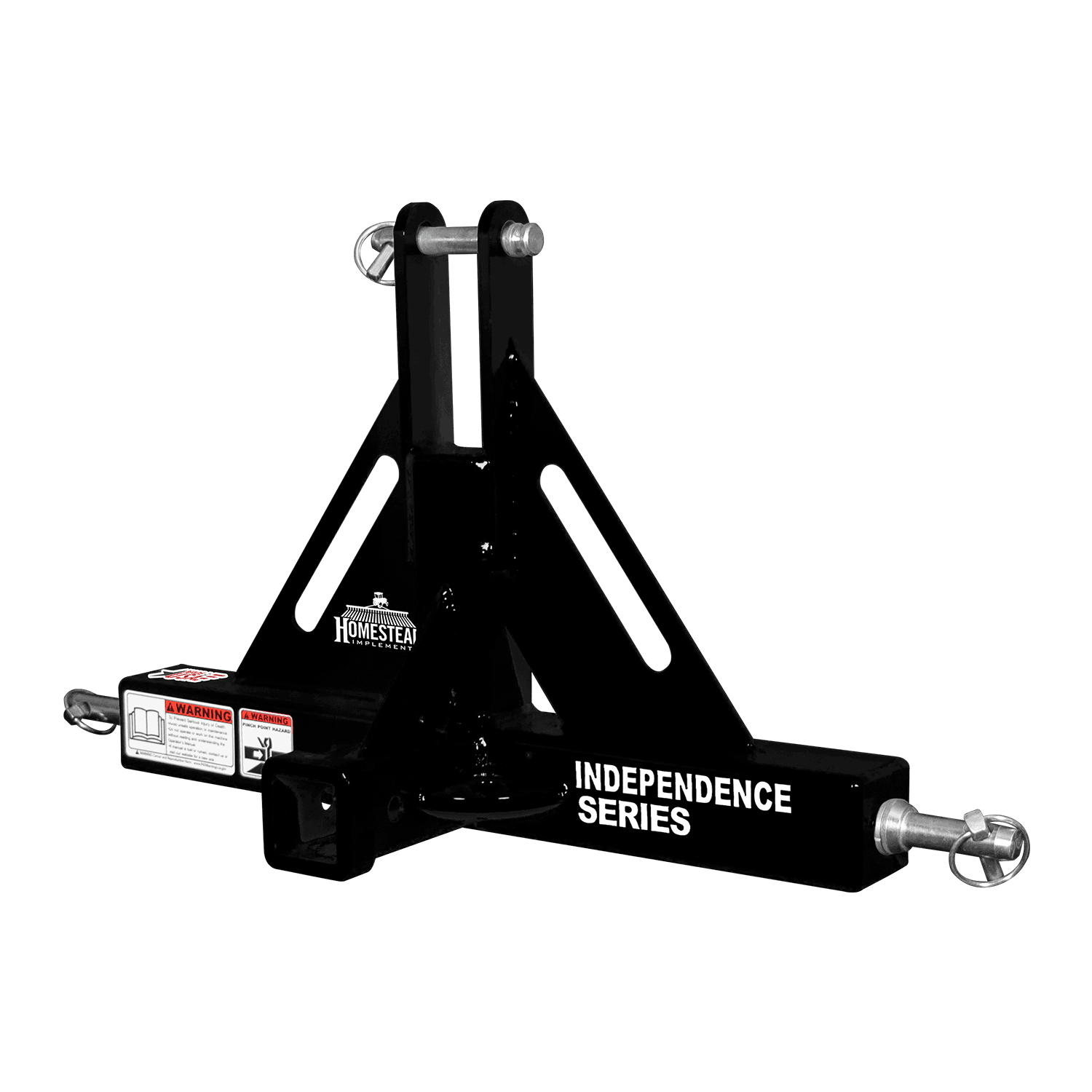
Receiver Hitch
A tractor receiver hitch can make it easier to reposition trailers, wagons, spreaders, and other equipment around the property.
Build an Attachment Collection Around Your Work
There is no single tractor attachment package that is right for every property owner. A wooded property may benefit most from a grapple and brush cutter, while a property with a long gravel driveway may place a land plane and box blade at the top of the list.
For many property owners, a practical starting collection includes:
- A grapple for cleanup and material handling
- A land plane for driveway maintenance
- Pallet forks for moving supplies
- A brush cutter for vegetation management
- A box blade for grading and ground preparation
These attachments create a strong foundation for year-round property maintenance. Additional implements can then be added as new projects and recurring needs develop.
Homestead Implements manufactures American-made tractor attachments for property owners, homesteads, farms, and land-management projects. With options for common front-loader connection systems and 3-point hitches, property owners can build an implement lineup around their tractor and the work their land requires.
Frequently Asked Questions
What Is the Most Useful Tractor Attachment for a Property Owner?
The most useful attachment depends on the property. A grapple is one of the most versatile options for wooded properties and cleanup work, while a land plane is especially valuable for owners who maintain gravel driveways or private roads.
What Tractor Attachments Should a New Property Owner Buy First?
Many new property owners begin with a grapple, land plane, pallet forks, brush cutter, and box blade. These attachments cover material handling, cleanup, mowing, driveway maintenance, and grading.
What Is the Best Attachment for Maintaining a Gravel Driveway?
A land plane is typically the best tractor attachment for routine gravel driveway maintenance. It helps reduce washboarding, shallow potholes, ruts, and uneven areas by redistributing loose aggregate across the surface.
Is a Box Blade or Land Plane Better?
A land plane is generally better for routine smoothing and finish grading. A box blade is better for moving material, cutting into compacted surfaces, filling deeper areas, and completing heavier grading work.
What Attachment Is Best for Clearing Brush?
A grapple is useful for picking up and transporting cut brush, logs, roots, and debris. A brush cutter is better for cutting standing grass, weeds, brush, and small saplings. Many property owners use the two attachments together.
Can Compact Tractors Use These Attachments?
Compact tractors can use many grapples, land planes, pallet forks, brush cutters, and box blades, provided the implements match the tractor’s horsepower, lifting capacity, hydraulic system, hitch category, and attachment interface.
Do I Need Rear Ballast When Using Front-End Attachments?
Rear ballast is often recommended when lifting materials with a grapple, pallet forks, or another front-end attachment. Proper ballast can improve tractor stability and help maintain rear-wheel traction. Follow the tractor manufacturer’s requirements.
How Do I Know Whether an Attachment Will Fit My Tractor?
Check the attachment’s connection type, 3-point hitch category, PTO requirements, hydraulic requirements, weight, width, and recommended horsepower range. Loader-mounted attachments must also match the tractor’s quick-attach system.
Equip Your Tractor for More Projects
Explore American-made tractor attachments designed for property maintenance, land clearing, grading, material handling, mowing, and year-round work.